
Field Notes
Madeira's Hidden Levadas: A Walker's Paradise
Editorial Desk · May 18, 2026 · 6 min
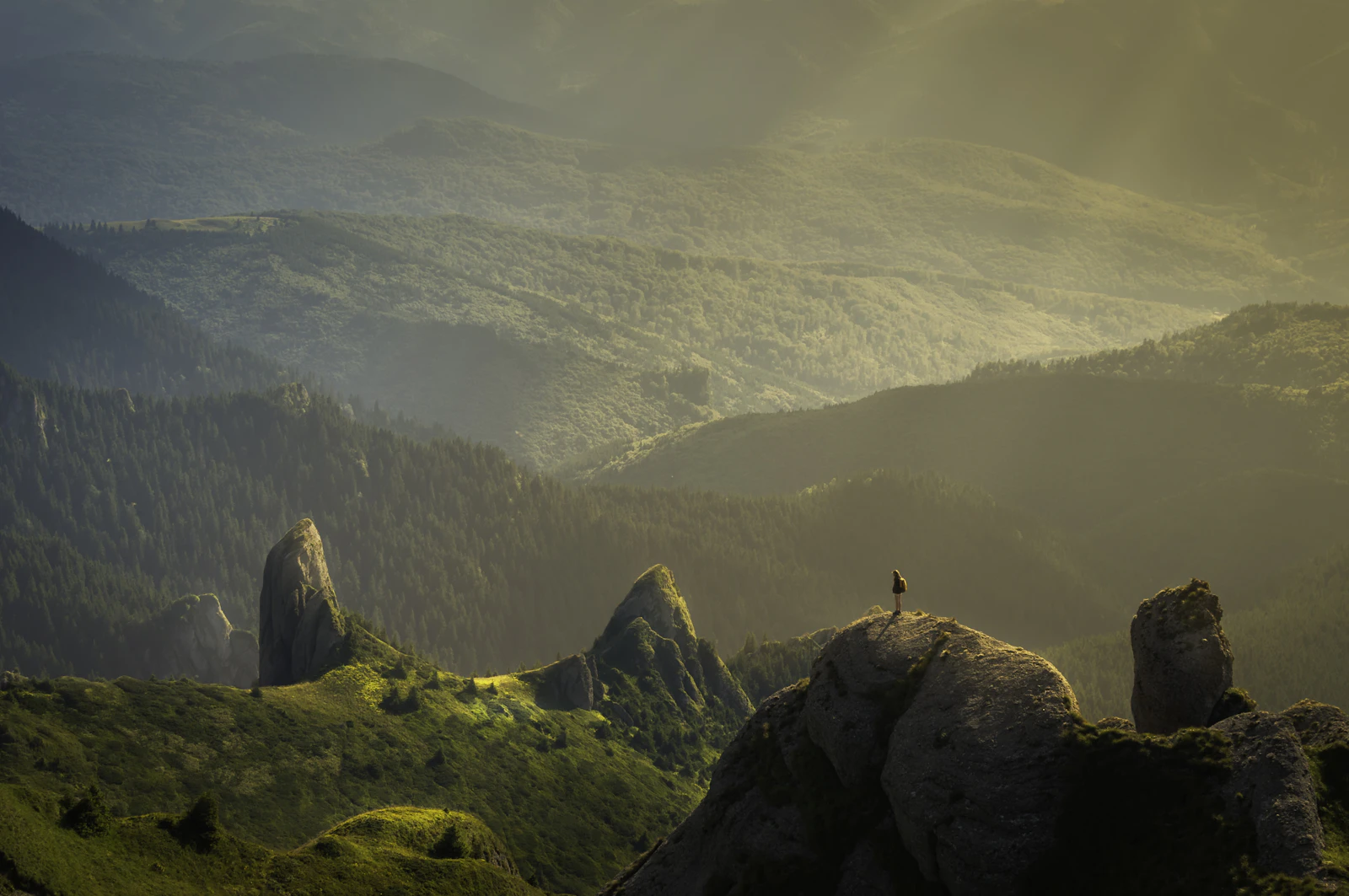
From cloud-forest canyons to Atlantic cliffs, these are the five trails our concierges send every first-time visitor on.
Madeira's centuries-old irrigation channels — the levadas — thread through laurisilva forest, hidden waterfalls, and basalt sea cliffs. Built by hand from the 16th century onward to carry water from the wet north of the island to the terraced farms of the south, today they double as one of the world's most extraordinary networks of walking paths. More than 2,000 kilometres of them, most barely a metre wide, cut along contours that would otherwise be unreachable.
Begin with Levada do Caldeirão Verde — a gentle 13km out-and-back through fern-draped tunnels and past the Green Cauldron waterfall. It's the trail we send first-timers on because it has everything Madeira does best in a single afternoon: laurisilva canopy that's been continuous for fifteen million years, four hand-cut tunnels (bring a torch), and a final amphitheatre of basalt where the water drops a hundred metres into a pool you can swim in if you're brave about cold.
For something more dramatic, the PR1 Vereda do Areeiro to Pico Ruivo crosses the spine of the island at over 1,800 metres. It's a 7km traverse with sheer drops on both sides for long stretches, and on a clear morning you can see the curvature of the Atlantic from the summit. Start at sunrise — the cloud inversion below your feet is the photograph everyone takes home.
Two trails we love that most visitors miss: Levada das 25 Fontes in the Rabaçal valley, where twenty-five separate springs feed a single pool, and the coastal Vereda da Ponta de São Lourenço on the eastern tip, which feels nothing like the rest of the island — bare red rock, no trees, the Atlantic on three sides.
Our concierge tip: book a private guide for at least one of these walks. Madeira's weather changes by the hour and by the valley, and a local will reroute you to a clear trail when the one you planned is socked in. Wear real boots, not trainers — the basalt is slick when wet, and most of these paths are wet somewhere along their length.